Why Filter Element Quality Matters in Hydraulic and Industrial Systems
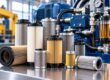
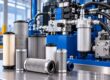
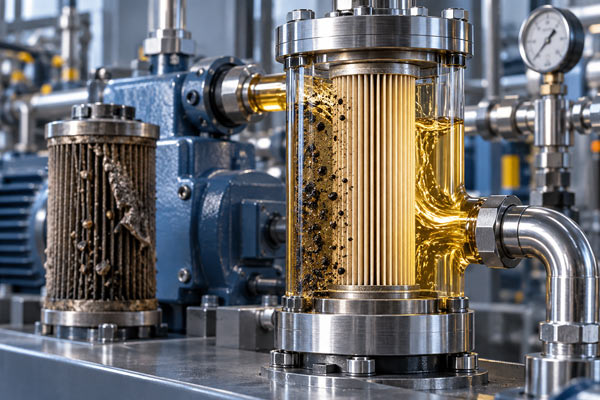
A filter element may look like a small component inside a hydraulic or industrial filtration system, but its job is critical. Hydraulic oil, lubrication oil and process fluids can carry dust, metal particles, rust and other contamination. If these particles continue circulating, they can affect pumps, valves, cylinders and other important equipment.
This is why filter element quality should never be judged only by price.
A properly selected, well-built filter element helps control contamination, maintain fluid cleanliness and support reliable machine operation. For industries searching for an Industrial Filter Element Manufacturer in Ahmedabad, understanding what makes a quality filter element can help prevent incorrect purchasing decisions and unnecessary maintenance problems.
What Does an Industrial Filter Element Do
An industrial filter element removes unwanted contaminants as fluid passes through the filtration system.
Depending on the application, a filter element may be installed in:
- Hydraulic systems
- Lubrication systems
- Pressure lines
- Return lines
- Process filtration systems
- Machine tools
- Industrial equipment
- Cooling and circulating systems
The filtration media traps particles while allowing the required fluid flow to continue through the system.
Its effectiveness depends on much more than its outside dimensions. Media quality, micron rating, construction, sealing, dirt-holding capacity and compatibility with the fluid all influence actual performance.
Why Does Choosing the Right Basket Strainer Manufacturer Matter
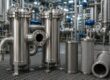
Two basket strainers that appear similar from the outside may perform very differently once installed.
The manufacturer needs to understand how fluid flow, basket open area, filtration size, pressure drop, construction material and operating conditions work together.
A capable Basket Strainer Manufacturer in India should therefore understand the application before recommending a model.
When sending an enquiry, industrial buyers should be ready to discuss details such as pipeline size, fluid, operating pressure, temperature, flow rate and required filtration level.
These details help reduce the risk of buying a strainer that is technically unsuitable for the process.
Why Filter Element Quality Matters
A poor-quality filter element can create problems even if it fits perfectly inside the housing.
The element may use unsuitable media, weak internal support or incorrect sealing. It may also fail to provide the filtration efficiency expected by the system.
A reliable Industrial Filter Element Manufacturer in Gujarat should therefore consider the complete operating requirement rather than simply supplying an element based on length and diameter.
Good filter element quality can contribute to:
- Better contamination control
- Cleaner hydraulic and lubrication oil
- Protection of sensitive components
- Stable fluid flow
- Reduced unplanned maintenance
- Longer component service life
- Consistent filtration performance
For industrial users, these advantages can be more valuable than saving a small amount on the initial filter element cost.
Poor Filtration Can Increase Component Wear
Hydraulic systems often contain components manufactured with close operating clearances.
Fine particles circulating in the oil can enter these areas and gradually cause abrasive wear. Contamination may affect valves, pumps, seals and moving components long before a major system problem becomes visible.
The filter element acts as a contamination-control barrier.
When filtration performance is inconsistent, damaging particles may continue circulating through the system. Over time, this can contribute to performance loss and additional maintenance requirements.
This is why buyers should focus on filtration performance instead of purchasing replacement elements only according to price.
Micron Rating Must Match the Application
One of the most common questions industrial buyers ask is:
Which micron filter element should I use?
There is no single micron rating suitable for every hydraulic system.
A finer filter can remove smaller particles, but the correct selection should also consider:
- Equipment manufacturer’s requirement
- Required fluid cleanliness
- System flow rate
- Oil viscosity
- Contamination level
- Operating pressure
- Filter location
- Pressure-drop limits
Choosing an unnecessarily fine element may increase flow resistance or shorten the replacement interval in heavily contaminated systems.
An experienced Industrial Filter Element Supplier in Ahmedabad should therefore ask about the application before recommending a filtration rating.
Filter Media Quality Affects Performance
Different filtration media are designed for different operating requirements.
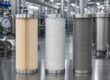
Paper Filter Elements
Paper or cellulose filter elements are generally suitable for economical, general-purpose hydraulic and lubrication filtration.
They are commonly selected where scheduled replacement and nominal filtration are acceptable.
Glass Fiber Filter Elements
Glass fiber media is used when finer and more efficient contamination control is required.
It is commonly considered for sensitive hydraulic applications where maintaining controlled fluid cleanliness is important.
SS Wire Mesh Filter Elements
Stainless steel wire mesh elements provide durable and reusable filtration.
They can be suitable for applications where cleaning and reusing the element is preferred.
Welded Filter Elements
Welded filter elements are designed for demanding industrial applications where strong construction, temperature resistance or process compatibility may be required.
The best media depends on the actual fluid, operating conditions and cleanliness requirement.
Correct Construction Helps Prevent Element Failure
Filter media alone does not determine filter quality.
The complete element construction should be able to withstand the operating conditions inside the filtration system.
Important construction factors can include:
- End-cap strength
- Inner and outer support
- Pleat consistency
- Bonding quality
- Seal compatibility
- Structural rigidity
- Media support
- Correct dimensions
If the element deforms or loses its seal, contaminated fluid may pass around the filtration media instead of through it.
For this reason, dimensional accuracy and structural quality matter when selecting replacement filter elements.
Dirt Holding Capacity Influences Maintenance Frequency
A filter element does not only need to capture particles. It also needs sufficient capacity to hold contamination during its working life.
As contamination builds inside the element, resistance to fluid flow increases.
An element with appropriate media area and dirt-holding capacity can operate longer before reaching its replacement condition.
However, replacement intervals vary from one application to another.
They can be influenced by:
- Working environment
- Fluid cleanliness
- Machine age
- Contaminant generation
- Operating hours
- Filter size
- System condition
Why Replacement Filter Element Quality Is Important
Replacement filter elements are widely used when an original element needs to be replaced regularly, is difficult to source or carries a high replacement cost.
However, a replacement should not be selected simply because its dimensions look similar.
The replacement element should match important parameters such as:
- Dimensions
- Filtration rating
- Media type
- Seal arrangement
- Flow requirement
- Operating fluid
- Pressure conditions
- Application requirements
A capable Industrial Filter Element Manufacturer in India can develop or supply replacement elements according to specifications, drawings, samples or cross-reference requirements.
How Quality Filter Elements Can Reduce Operating Cost
The cheapest filter element is not always the lowest-cost option over the complete maintenance cycle.
Consider what may happen if filtration is inadequate:
- Contamination remains in circulation.
- Pumps and valves experience additional wear.
- Oil cleanliness deteriorates.
- Maintenance frequency increases.
- Components may require earlier replacement.
- Production interruptions become more likely.
A suitable filter element supports preventive maintenance by removing contamination before it causes greater damage elsewhere in the system.
For industrial plants, this makes filtration an equipment-protection decision rather than simply a consumable purchase.
What Should Buyers Check Before Choosing a Filter Element Supplier
When comparing an Industrial Filter Element Supplier in Gujarat, industrial buyers should look beyond the quotation value.
Ask the supplier about:
| Check | Why It Matters |
|---|---|
| Filter Media | Determines filtration characteristics |
| Micron Rating | Helps achieve required cleanliness |
| Dimensions | Ensures correct installation |
| Seal Material | Supports fluid compatibility |
| Flow Requirement | Helps control excessive restriction |
| Construction | Influences structural reliability |
| Customisation | Useful for non-standard elements |
| Replacement Support | Helps with repeat procurement |
| Technical Knowledge | Improves product selection |
Choosing an Industrial Filter Element Manufacturer in Ahmedabad
Ahmedabad and Gujarat have a large base of engineering, manufacturing, chemical, pharmaceutical, machine-tool and process industries that depend on hydraulic and lubrication equipment.
Working with an Industrial Filter Element Manufacturer in Ahmedabad can provide practical advantages for local industries, including easier technical communication, quicker discussion of samples and drawings, and convenient repeat requirements.
Buyers looking for an Industrial Filter Element Supplier in India should still focus on technical capability, consistency and application understanding rather than location alone.
The right supplier should be able to support both standard and customised filtration requirements.
Industrial Filter Elements from Madhav Filtcare and Hydraulics
Madhav Filtcare & Hydraulics supplies industrial filtration solutions from Ahmedabad, Gujarat for hydraulic, lubrication and industrial applications.
Depending on the filtration requirement, buyers can discuss options such as:
- Paper filter elements
- Glass fiber filter elements
- SS wire mesh filter elements
- Welded filter elements
- Replacement filter elements
- Customised filter elements
For accurate selection, share available information such as the existing filter element number, sample, drawing, dimensions, micron rating, fluid type and operating conditions.
This makes it easier to identify an element suitable for the actual application rather than selecting only by appearance.
Frequently Asked Questions
A quality filter element helps remove harmful contamination from hydraulic oil before particles reach pumps, valves, cylinders and other components. This supports fluid cleanliness and reliable system operation.
Consider the fluid type, required micron rating, flow rate, pressure, temperature, filter location, dimensions and equipment cleanliness requirement before selecting an element.
There is no single best media for every application. Paper can suit economical general filtration, glass fiber can suit finer filtration, and SS wire mesh can be useful where a reusable element is required.
A properly designed replacement element can be used when its dimensions, media, filtration rating, seals and operating requirements are correctly matched to the application.
Replacement frequency depends on contamination level, operating hours, dirt-holding capacity and system conditions. A differential pressure indicator, where available, can help determine when the element requires replacement.
Yes. Custom filter elements can be developed according to an existing sample, drawing, dimensions or filtration specification when standard elements are unavailable.
Industrial buyers can source filter elements from manufacturers and suppliers serving Ahmedabad, Gujarat and other parts of India. Compare technical capability, media options, customisation, quality consistency and application support before purchasing.
Conclusion
Filter element quality directly influences how effectively contamination is controlled inside hydraulic and industrial systems.
The correct element should provide suitable filtration while supporting required flow, pressure conditions and system cleanliness. Media quality, construction, dimensions, sealing and application compatibility all matter.
When choosing an Industrial Filter Element Manufacturer in Gujarat or an Industrial Filter Element Supplier in India, focus on technical suitability instead of selecting products only by price.
Madhav Filtcare & Hydraulics, Ahmedabad, Gujarat supports industrial filter element requirements for hydraulic, lubrication and industrial filtration applications. Share your existing filter details, drawing, sample or application requirements to identify a suitable filtration solution.